
By Don Cesarone III, P.E., Aquatic Consulting Engineers, Inc.
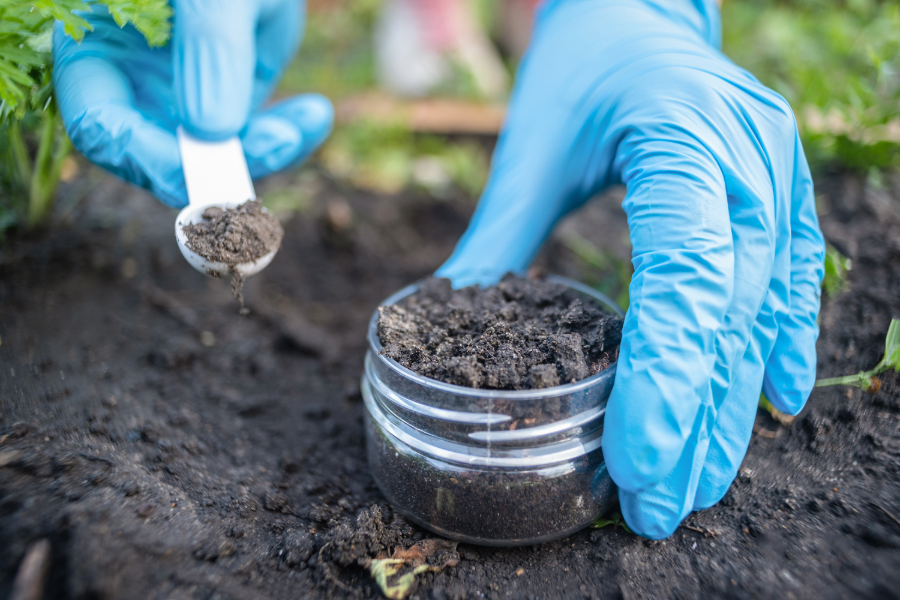
Florida’s swimming pool industry operates in one of the most geotechnically challenging environments in the country. From loose sand and organic soils to high groundwater tables and limestone formations, the ground beneath a pool can vary dramatically, even within the same neighborhood. Because a swimming pool is a rigid structure built into a dynamic, moisture-sensitive soil system, soil testing is not simply an optional step, it is a practical risk-management tool that protects homeowners, contractors, and builders alike.
Why Soil Testing Matters Before Construction
Pre-construction soil testing provides valuable information needed to design and build a pool that performs safely and predictably over time. Many common causes of pool distress, cracking, settlement, shifting decks, and plumbing movement, often originate from soil conditions that were misunderstood, undocumented, or ignored.
A geotechnical evaluation can help identify:
- Bearing capacity: Can the soil support the pool shell without excessive settlement?
- Compaction potential: Will the excavated soils hold their shape or collapse during construction?
- Groundwater conditions: Is the water table shallow enough to create buoyancy or uplift risks?
- Problematic materials: Organic layers, loose fill, muck soils, or debris that should be removed and replaced.
Karst or limestone void risk: In many Florida regions, subsurface cavities and raveling sands can lead to unexpected settlement.
With these findings, builders can make informed decisions about excavation limits, over-excavation and replacement, stabilization options, and dewatering needs. Just as importantly, soil testing supports documentation that the project was constructed with appropriate due diligence, an increasing concern as Florida communities expand and construction occurs on reclaimed or previously altered land.
Florida’s Unique Challenges: Water, Sand, and Uplift
Even properly engineered pools can be impacted by Florida’s groundwater fluctuations. Heavy rain events, tropical systems, and seasonal water table changes can create hydrostatic uplift pressures. Without proper planning, an empty or partially drained pool may experience upward forces that lead to shell movement, cracking, or other structural damage.
Pre-construction soil testing helps determine whether special design and construction considerations are needed, such as:
- Enhanced drainage provisions
- Hydrostatic relief systems
- Construction sequencing adjustments
- Soil improvement methods for unstable excavation bottoms
These are not theoretical risks, uplift and soil migration are real-world issues that can quickly turn a successful build into a costly repair.
The Value of Soil Testing After Construction
Post-construction soil testing and verification is often overlooked, but it can be equally important, especially when issues arise later. Soil conditions around a pool do not remain static. Irrigation, rainfall, plumbing leaks, and poor drainage can alter soil moisture and density over time, causing settlement beneath decks, walkways, and equipment pads.
Post-construction soil evaluation can help:
- Confirm whether backfill and compaction met reasonable standards
- Identify areas of void development or washout around the shell
- Investigate deck settlement, cracking, or separation
- Support repair design with accurate subsurface information
Provide defensible documentation in warranty or dispute situations
In many cases, symptoms like deck movement or tile cracking are treated as surface-level problems when the root cause is hidden below grade. Soil testing helps pinpoint the true source of distress, reducing guesswork and preventing repeated failures.
A Smart Investment That Protects Everyone
Soil testing is not about adding red tape, it’s about preventing avoidable structural and financial risk. For contractors and pool builders, it reduces the chance of unexpected site conditions disrupting the schedule or budget. For homeowners, it provides confidence that the pool is built on stable ground and designed for Florida’s environment.
In an industry where reputation is everything, soil testing demonstrates professionalism and long-term accountability. It is a modest investment compared to the cost of repairs, callbacks, litigation, or structural reconstruction.
Final Thoughts
Florida’s soils can be deceptively complex. A pool may look perfect at startup, but if the soil beneath and around it is unstable, moisture-sensitive, or poorly compacted, problems can develop months or years later. Pre- and post-construction soil testing provides the data needed to build smarter, protect clients, and ensure pools remain safe and serviceable for decades.
Incorporating soil testing into best practices is a powerful step toward stronger builds, fewer failures, and a more resilient pool industry statewide.